Detroit beat versus a generic trap instrumental choosing the harder, sample-driven sound
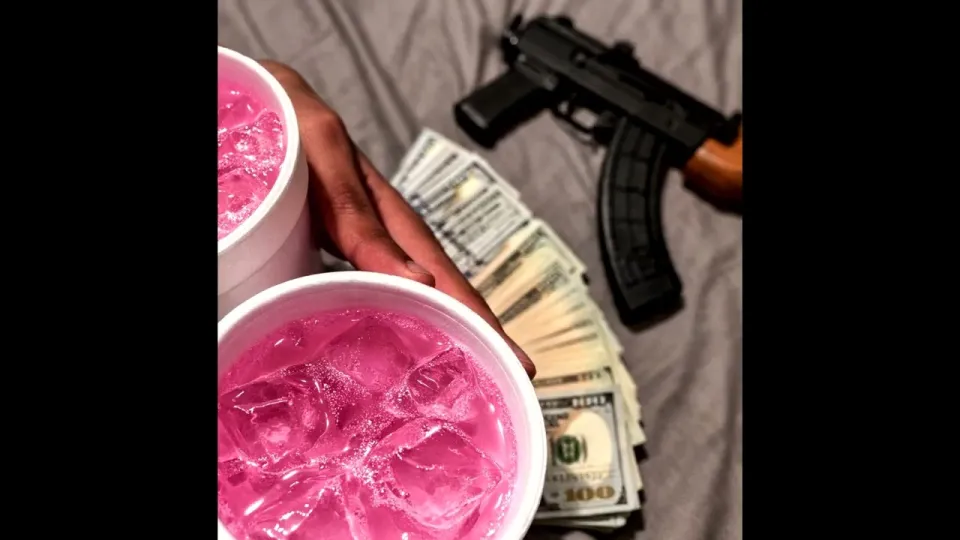
Video: [FREE] Detroit Type Beat x YN Jay Type Beat - "Crew"
You can order the same kind of articles for your own video to boost it on YouTube and Google. Just message the Telegram bot @sat_sit_bot. It writes articles around your video, embeds the video and publishes them on popular niche websites (no ads). Try it free: 50 articles on us.
Key takeaways
- Detroit beats usually sit around 90–105 BPM with halftime-feel drums, so the flow sits on top rather than chasing a fast hi-hat pattern.
- A free Detroit type beat from Kooba II is licensed for non-profit use only — YouTube and SoundCloud without monetization, no streaming services.
- Commercial release on Spotify, Deezer, Tidal or iTunes requires a paid lease, and Content ID registration needs an exclusive license.
- Crediting the producer as (Prod. Kooba) is mandatory under the free-use terms; the untagged file is sold at bsta.rs/CPKdUd with a buy-2-get-1-free offer.
- The style overlaps with YN Jay, Rio Da Yung OG, Babyface Ray and Flint-adjacent production, which is why the tags list both Detroit and Flint.
A Detroit beat is the better choice when you want a slow, menacing, sample-driven pocket that leaves room for punchline-heavy rapping, while a generic trap instrumental is the better choice when you need a fast, clean, radio-ready backdrop with no sample clearance questions. The difference is not just tempo — it is texture, drum placement, and how much space the beat leaves for the vocal. Kooba II's "Crew" is a free Detroit type beat built in the YN Jay lane, and the untagged version is available to purchase at the Kooba BeatStars store with a buy-2-get-1-free deal.
What actually defines a Detroit beat
A Detroit beat is defined less by a single BPM number than by a combination of slow-to-mid tempo, chopped soul or vocal samples, and drums that hit hard but stay sparse. Producers in this lane usually build around a loop — a filtered vocal phrase, a string stab, a guitar figure — and then let the 808 and kick carry the weight while the hi-hats stay relatively restrained.
The style grew out of Michigan rap culture around figures like YN Jay, Rio Da Yung OG, Babyface Ray and Baby Smoove, whose tracks favor deadpan, joke-dense, punchline-first writing over melody. That writing style needs air. If the beat is packed with counter-melodies and busy hi-hat rolls, the punchlines get buried. That is why the best Detroit instrumentals often sound almost empty on first listen and only reveal their detail when a vocal sits on top.
Key markers to listen for:
- A sample or loop that repeats with small variations rather than a full arrangement change.
- Kick and 808 patterns that leave gaps — the silence is part of the groove.
- Hi-hats that accent rather than fill every sixteenth note.
- A dark, dry mix with little reverb on the drums, so the vocal stays forward.
- A short intro, often just the loop, so the rapper can start immediately.
Detroit beat versus a standard trap instrumental
The practical difference between a Detroit beat and a standard trap instrumental shows up in tempo, density and sample use. Mainstream trap often runs faster with dense hi-hat patterns and a synth-driven melody; Detroit-style production tends to slow down, lean on sampled texture, and keep the midrange clear.
| Element | Detroit beat | Generic trap instrumental |
|---|---|---|
| Tempo feel | Slow to mid, heavy halftime | Faster, more driving |
| Melody source | Chopped samples, loops | Synth presets, plugin melodies |
| Drum density | Sparse, gap-heavy | Busy hats, layered percussion |
| Vocal space | Wide, punchline-friendly | Tighter, hook-friendly |
| Clearance risk | Higher if a sample is used | Lower, fully original |
The clearance point matters more than most rappers expect. A "Detroit sample type beat" may contain a flipped excerpt of an existing recording, which is fine for a free non-profit upload but becomes a real problem the moment you monetize. If you plan to distribute, read the license before you write, not after.
How to use a free Detroit type beat without losing your rights
A free Detroit type beat is usable only within the limits the producer sets, and those limits are stricter than most downloaders assume. Kooba II's terms are explicit and worth reading line by line before you record.
What the free license allows:
- YouTube and SoundCloud uploads with no monetization.
- Non-profit use only.
- Mandatory credit written as (Prod. Kooba).
What it does not allow:
- Distribution to streaming services such as Spotify, Deezer, Tidal or iTunes.
- Content ID registration without an exclusive license.
- Any monetized release without a purchased lease.
Breaking those terms is not a gray area — it results in a copyright strike. The safe path is simple: write and record on the free file, test the song, and only then buy the lease for the track you actually intend to release. Purchasing the untagged version removes the producer tag and gives you a clean file to mix.
Reading the comments on a type beat before you commit
Comment sections on type beats are a useful reality check, and the thread under "Crew" shows the three things that actually happen to a beat like this. First, rappers immediately start writing — several comments are full verses in Portuguese, Serbian, Turkish, Italian, French and Spanish, which tells you the pocket translates across languages even when the lyrics do not. Second, listeners compare the loop to existing records, sometimes hearing a resemblance to a known track or artist. Third, people ask where the melody came from.
That resemblance question deserves a straight answer. A type beat is built to evoke a style, not to copy a specific song, but chopped loops can accidentally land close to something familiar. If you hear a similarity, treat it as a signal to check the license rather than a reason to panic — and if you plan a commercial release, ask the producer directly whether the sample is cleared.
The other pattern worth noting is the flood of non-English verses. Detroit-style production is not tied to American English phrasing; the slow, gap-heavy drums work for Portuguese drill-adjacent flows, Balkan melodic rap, and French street rap alike. If your first language is not English, this is one of the more forgiving lanes to write in.
Practical steps for recording on a Detroit type beat
Recording on a Detroit beat works best when you treat the instrumental as a frame rather than a wall. The following sequence keeps the mix clean and the vocal in charge.
- Set the tempo reference before writing — count where the kick lands and mark the bar so your punchlines land on the gap, not on the hit.
- Write sixteen bars with no ad-libs first, then add them; the sparse drum pattern leaves room for vocal chops that would clutter a busier beat.
- Record the main vocal dry and close, with minimal reverb, so the dry drum mix does not swallow it.
- Keep the low end controlled — the 808 already occupies the sub range, so high-pass the vocal rather than boosting the bass.
- Leave the intro short; if the beat opens with just the loop, start rapping within the first two bars.
- Bounce a reference with the producer tag still in place if you are using the free file, and swap in the untagged version only after purchase.
Where the Detroit and Flint lanes overlap
Detroit and Flint rap share a production vocabulary, which is why so many beats are tagged for both. Flint-style tracks often push the tempo slightly and add a colder, more industrial texture, while Detroit tracks lean warmer and more sample-based. A single instrumental can sit in either category depending on how the vocal is delivered, so tagging a beat "Detroit type beat" and "Flint type beat" at once is a distribution decision, not a contradiction. The same applies to artist tags: a beat tagged for YN Jay, Rio Da Yung OG and Babyface Ray is describing a family of flows, not three different genres.
Useful links
- Purchase the untagged beat "Crew": https://bsta.rs/CPKdUd
- Kooba on Instagram: https://www.instagram.com/prodkooba
- Kooba BeatStars store: https://www.beatstars.com/prodkooba
Final take
A Detroit beat wins on space and texture, and that is exactly what "Crew" delivers: a slow, sample-driven loop with drums that leave the punchlines exposed. The free file is genuinely useful for writing and demoing, but it is non-profit only, so any streaming release needs a lease and any Content ID registration needs an exclusive license. Credit the producer as (Prod. Kooba) on every upload, and keep the terms in mind before you fall in love with a take. This breakdown was put together by the Kooba II channel, which publishes free Detroit and YN Jay type beats alongside the paid untagged versions — start with the untagged purchase page if you already know the beat is the one.
Source: [FREE] Detroit Type Beat x YN Jay Type Beat - "Crew" · Markdown version
Questions & answers
Can I put a song made on this free Detroit type beat on Spotify?
No. The free license covers non-profit uploads to YouTube and SoundCloud only, with no monetization and no streaming services. Spotify, Deezer, Tidal and iTunes distribution requires a purchased lease, and Content ID registration requires an exclusive license.
Do I have to credit the producer if I use the beat for free?
Yes, credit is mandatory under the free-use terms. Write it as (Prod. Kooba) in the title or description of your upload. Removing the credit or the producer tag from the free file is not permitted — the untagged version is the paid one.
The melody sounds familiar — is the sample cleared?
Type beats are made to evoke a style rather than copy a specific record, but chopped loops can land close to something you have heard before. If you plan a commercial release, ask the producer directly about sample clearance before you distribute, because the license you buy covers the beat, not an uncleared third-party sample.
Does a Detroit type beat have to be slow, and can I rap in another language on it?
Tempo is a tendency, not a rule: most Detroit-style instrumentals sit in a slow-to-mid range with sparse, gap-heavy drums, but the defining feature is the space left for the vocal. That space is language-agnostic, and rappers regularly write in Portuguese, French, Italian, Turkish or Balkan languages over these beats without changing the pocket.